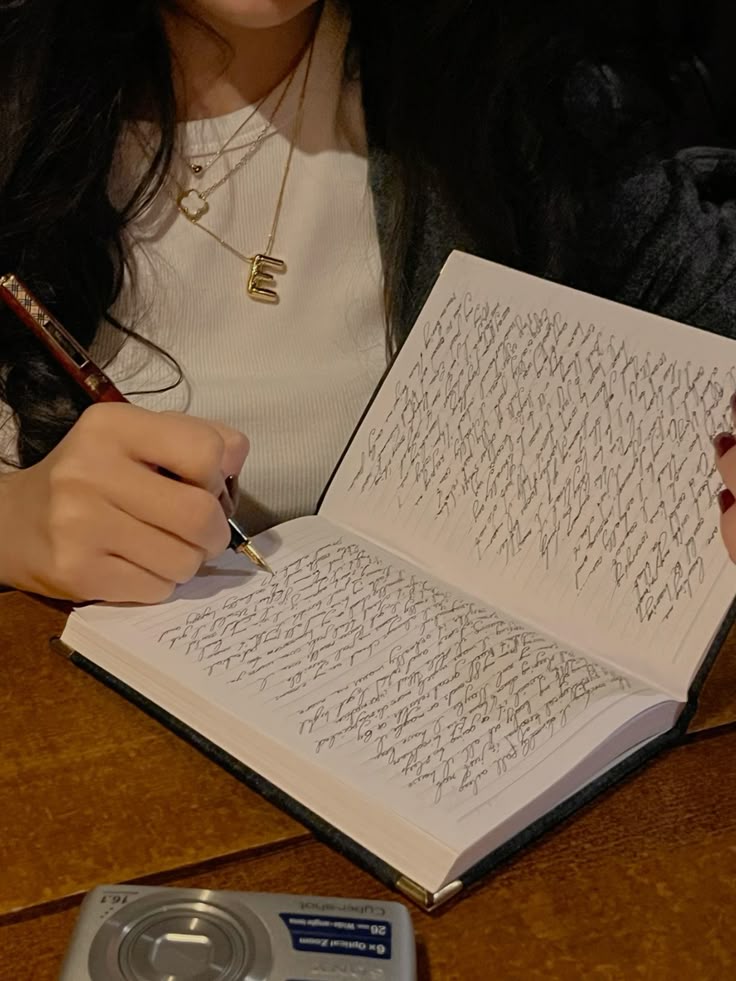
Somewhere along the way to today’s technology based writing style, we’ve lost our own ability to write in a voice that is unique to us.
In my Interactive Writing class, I have thought deeply about what having a voice means and how much gets muffled due to what people think the “correct” form of writing really is. In the book “On Writing Well”, Zinsser’s twentieth chapter is less about learning how to write well and more about being reminded that if we are too formal, readers can tell and then they will think we’re pretending and not actually communicating.
That being said, this entire lesson was more of a surprise than I had expected.

We’ve also been considering writing as something that looks good rather than sounds good to read. Online writing is about creating a connection to another person rather than creating something that feels scholarly, because it is intended to communicate in a human way. It is supposed to have a conversational tone, as if you are having an actual conversation with someone. Also, when I read the piece written by Donnell King, I had a realization about how much of my writing was more for looking polished rather than sounding good. In contrast to that, readers of online content don’t want perfection, because all they really want is authenticity. They will scroll if your content feels too formal or structured.
This is where a strong lead can really help. Zinsser hits upon the difference between hooks and leads in his chapter on writing leads and I had to rethink how I always begin a piece of writing. A lead is much more than a guide for the rest of the paper because it establishes the tone for the document. If it feels cold and boring, the reader will not continue reading. However, if it feels honest, the reader will more likely continue.
Adding on to that, clustering and outlining have changed my entire writing process in general. Before, I would write first and worry about making my paragraphs better later, but now I allow my ideas to be just not full formed pieces of information until I can cluster them. Clustering may feel disorganized, but the disorganization is a positive thing to me. It allows for my ideas to have room to develop before I try to organize them. Then I can outline them in a way that doesn’t make them feel flat after I have clustered them.
I’m beginning to realise that being clear and having personality rely on each other. Even though they aren’t mutually exclusive, they give each other strength. The writing Zinsser has is strong because it is simple. It does not hide behind complexity, but it speaks with utter confidence.
For me, studying advertising and media goes beyond just finding ways of writing. It extends to how I would build a brand if I can’t write like myself. Therefore, I would suggest that building trust may be just as valuable as learning how to write well.
Write as if you yourself are speaking to the audience. No one else.
Citations:
Arnold, Audrey. “Writing for the Ear instead of the Eye | Just Read.” Justread.link, 2025, justread.link/WFJszxfvL.
King, Donnell. “Writing for (not by) the Ear” Justread.link, 2020, justread.link/uWGB7Iaih. Accessed 15 Feb. 2026.
Zinsser, William. On Writing Well: The Classic Guide to Writing Nonfiction. New York, Harperperennial, 2016.

 Riley In Context
Leave a comment