A day in the life tends to unfolds through a series of quiet rituals that no one really talks about. They are small actions that fill in some of the hours and give structure to a day. These moments that are often overlooked happen to create the rhythm of daily life and reveal how comfort, pace, and intention come from familiar routines. This photoessay comes together to show the subtle transitions from morning preparation to evening rest, demonstrating how ordinary habits we all do can form a meaningful narrative.
Making The Bed

This transition from an unmade bed to a neatly arranged one marks the quiet beginning of routine in a day. The contrast between the two frames reflect the transformation from rest to preparation for the day. This simple routine becomes a grounding ritual, setting the tone for structure and intention. It shows how even the smallest act can create a sense of clarity, and sets the tone of the day in a good direction.
The First Sip of Coffee

As a college student, morning coffee feels as if it puts a hold on the stress of what is coming during the day. This offers a moment of warmth and coziness before responsibilities begin. The feel of the mug in hand and the strong scent of coffee can symbolize comfort and also consistency. This small habit becomes a staple in the mornings, as it can signal the transition from waking up to fully engaging with whatever the day has to offer.
Getting Ready For The Day

The image of brushes and random makeup scattered around that is used daily help to reveal the behind the scenes preparation that shapes the day’s appearance. This moment of getting ready becomes an act of self care, assembling the pieces that help build confidence. Each item contributes to a feeling of daily transformation, turning early-morning quiet into polished presence.
Cleaning & Tidying
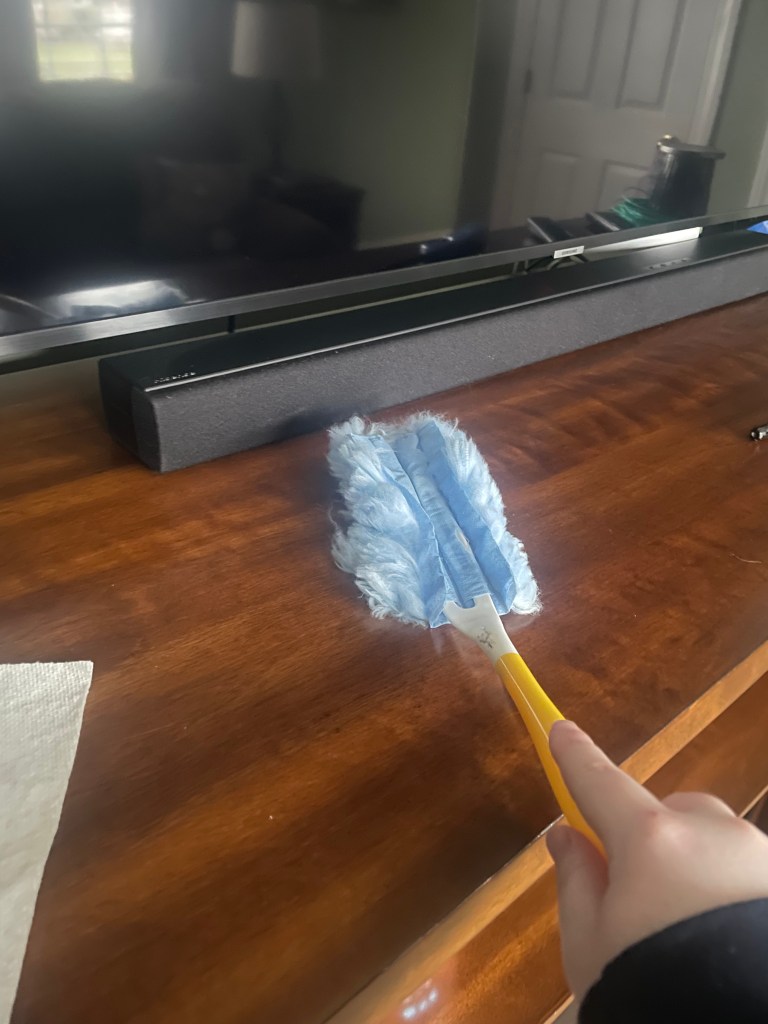
The signal of dusting reflects the ongoing work of maintaining a space that feels livable and calm. Making small surfaces clean now becomes a reminder that care for the home can also mimic self care. The act of tidying tends to add a sense of control to the everyday environment. Also, since living at home, it feels necessary to also help around the house.
Checking In Online
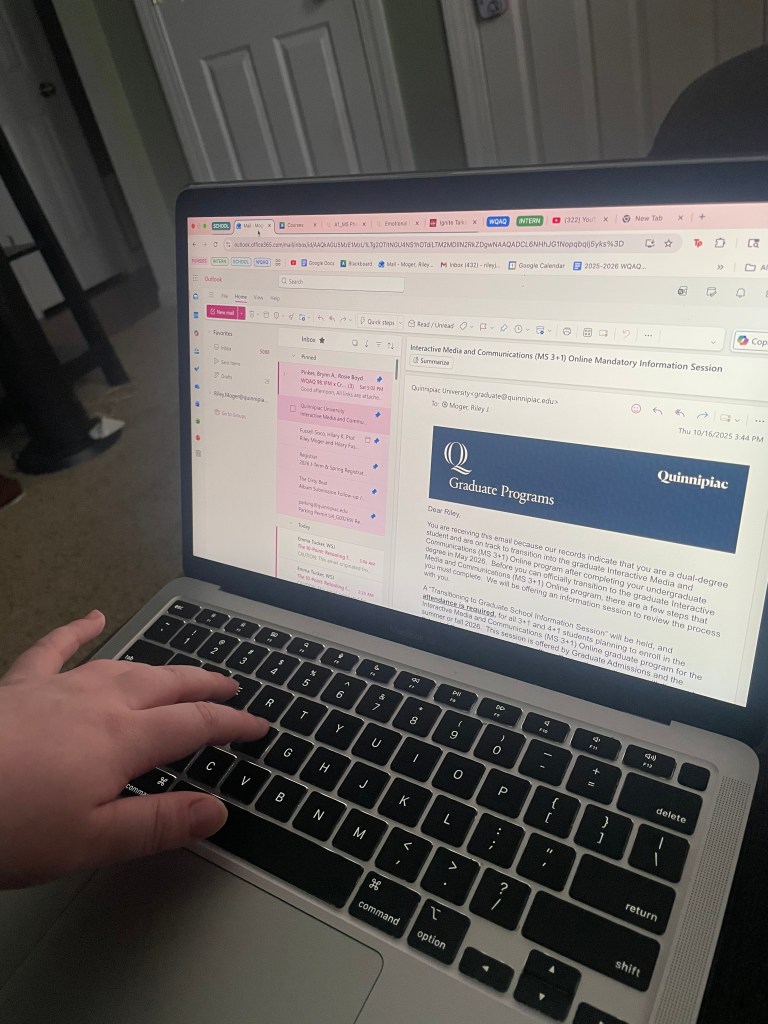
The bright screen and continuous stream of emails typically signify the transition from morning activities to everyday obligations. This moment demonstrates how demands have been digitalized and are now shaping daily habits. Sorting through emails becomes a matter of order, connecting personal daily rituals to school and work responsibilities.
Lunch Break
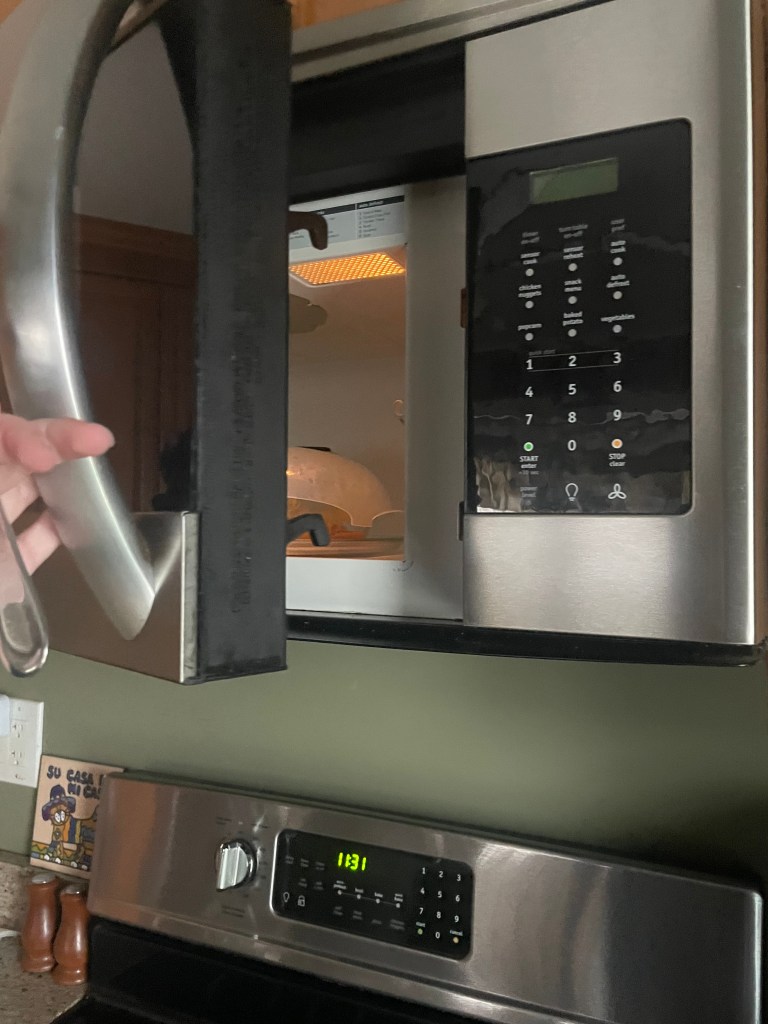
The light from the microwave and the smell of leftovers represent a brief pause in the day’s progress. This moment midday conveys a sense of routine and a hint of realism. It emphasizes how routine meals become modest acts of self care, just like a quiet moment in an otherwise hectic day.
Setting A Cozy Mood

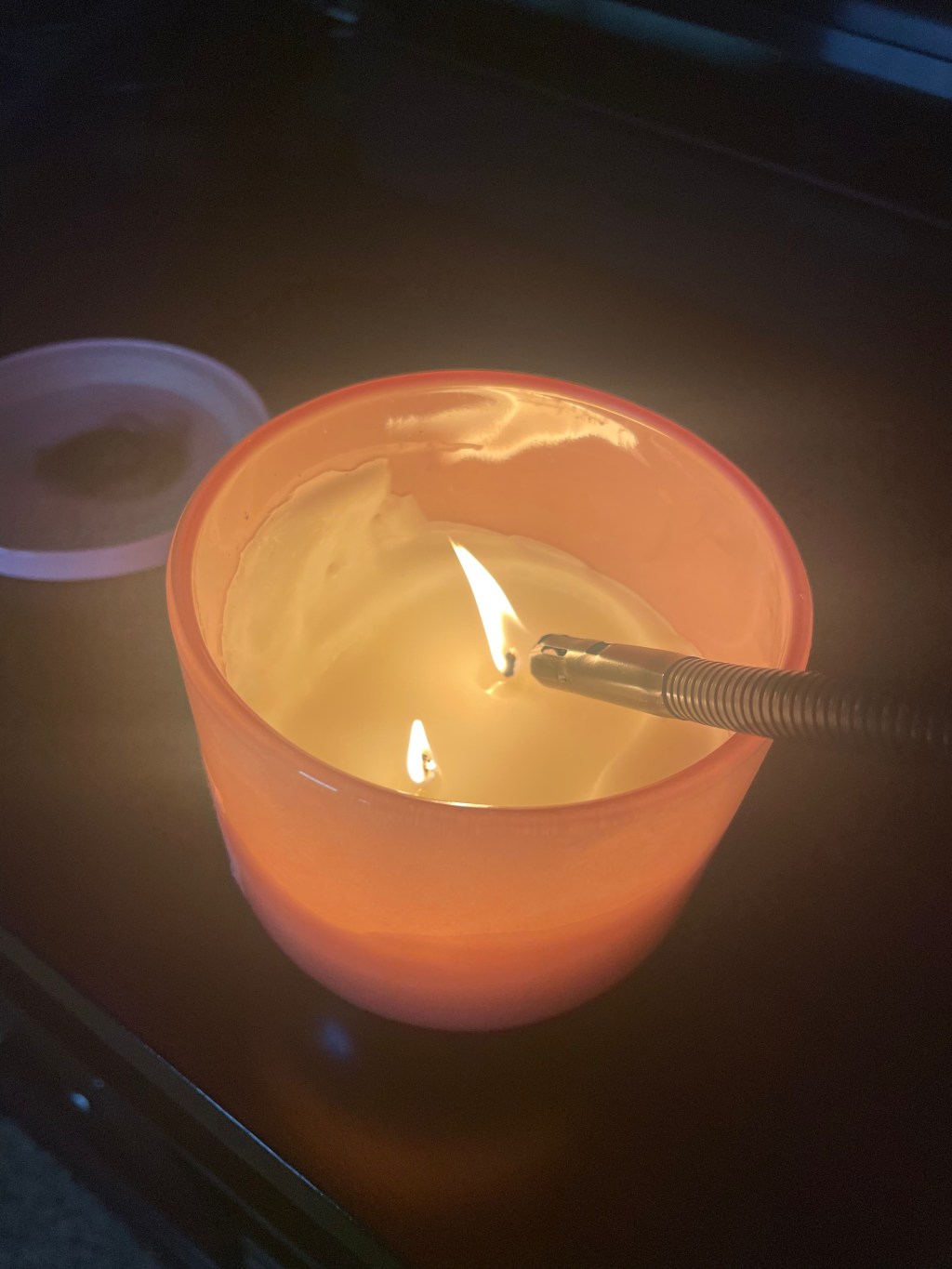
The initial light of a lighter and the glow of the candle can create a feeling of serenity in the air. The warm light can signal the transition to evening, changing the feel of the environment with a soothing light. This ritual encourages relaxation and marks the start of relaxing from the day’s stresses.
Winding Down For The Evening

The coziness of the blanket, along with the subtle glow of the screen, capture a moment of calm escape. This image exemplifies the comfort of sinking into familiar entertainment, allowing the mind to get away from stressful deadlines.
Preparing for Bed
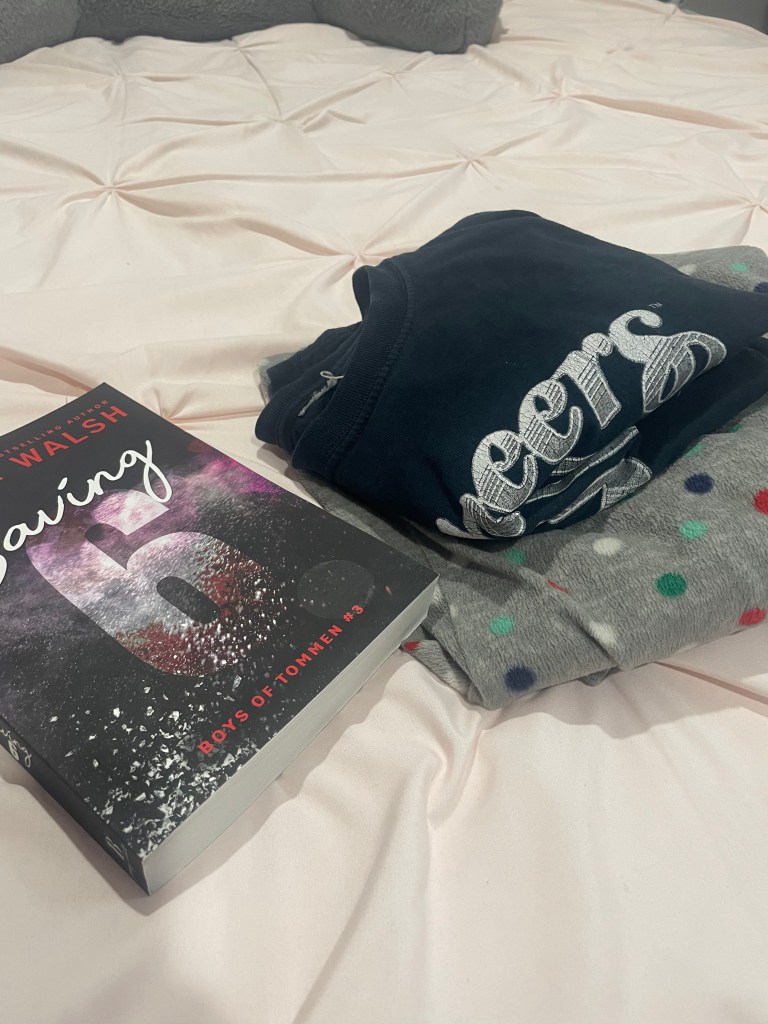
The folded pajamas and book laid next to it tend to prepare the final transition of the day into sleep. Together, these two come together to convey a slower pace and signal the end of another day. This moment emphasizes the importance of winding down intentionally, creating space for both comfort and reflection.
These images reveal how simple routines form the backbone of daily life. Each gesture, whether it is small but intentional, it tends to create a sense of flow and stability. Together, they shape a narrative built from the ordinary day, showing how meaning emerges through the quiet moments.
The Creative Process and Visual Storytelling Approach
The goal of this assignment was to produce a visual narrative that is cohesive and also tells a story. That being said, like said prior, the topic that was chosen was how small, everyday rituals structure the experience of a singular day. The intention was not to document big occurrences, but to demonstrate how regular everyday activities that are so tiny in a day can convey emotion, rhythm, and progression of time. The images selected were taken on my iPhone over the course of a week, trying to capture an small things from everyday. The idea was to depict a day through basic motions such as getting up, doing schoolwork, doing small chores around the house, and finally going to bed at the end of the day.
The approach to the narrative was shaped by Ron Reason’s discussion in “The Integration of Writing/Editing/Design,” which emphasizes the alignment of visual elements with storytelling that has a purpose. That principle was applied by ensuring that each image had a clear narrative and supported the overall theme of small daily rituals. Also, Mario García’s “Digital Storytelling: The Fusion of Writing, Editing, Design” influenced the structure of the captions of the images. Rather than just describing the images for what is seen, they extend the story and express a different tone, reinforcing García’s argument that writing and visuals operate together to guide the viewer’s interpretation.
The photographs were sequenced in a specific order with the guidelines outlined in the article “Photo Narratives,” which highlights the importance of how a story flows as well as the planned arrangement of a photoessay. The images were arranged chronologically, beginning with morning routines and ending with night rituals, to create a natural and intuitive progression for the viewer. This structure mirrors how the day flows, making the story feel more cohesive.
In another article by Annie Schugart, “The Best in Interactive Multimedia Journalism,” it highlights the necessity of clarity and user-centered storytelling in visual journalism. While this project doesn’t incorporate interactive elements, the emphasis on viewer engagement informed the simplicity and directness of both the images and captions, ensuring the narrative remained focused and easy to follow. The idea that audiences respond strongly to relatable visual moments also shaped the decision to center the essay on ordinary tasks.
Also, Nicole Dahmen’s work in “How to Do Better Visual Journalism for Solutions Stories” and “Why It Is a Time for Visual Journalism to Include a Solutions Focus” introduces the concept of constructive visual framing. Rather than presenting the normal routine as boring, the essay frames routine as a form of stability and care. This reflects Dahmen’s emphasis on highlighting resilience and constructive themes within visual narratives.
The design principles discussed in the readings shaped the technical choices made in taking the photos, too. Variation in angles, lighting, and distance followed the recommendations from the course materials, including NPR’s “Visual Journalism,” which stresses attention to detail and emotional resonance. The close up shots, such as the candle being lit, create a sense of intimacy, while wider shots, like the transformation of the bed or makeup can establish better context. This balance helps maintain visual interest while supporting the story.
Overall, this project applies the strong principles to create a narrative that comes solely from ordinary ideas. Through intentional sequencing, captioning, and a focus on emotional resonance, the photoessay demonstrates how routine actions can visually express structure, calm, and meaning within a single day.
Citations
Campbell, David. “Why It’s Time for Visual Journalism to Include a Solutions Focus.” Medium, witness.worldpressphoto.org/why-it-is-time-for-visual-journalism-to-include-a-solutions-focus-5be15aec3afc. Accessed 30 Nov. 2025.
Dahmen, Nicole. “How to Do Better Visual Journalism for Solutions Stories.” MediaShift, 2 Dec. 2017, mediashift.org/2017/11/visually-reporting-solutions-stories-newsrooms-classrooms/.
García, Mario R. “Blog: Digital Storytelling, Part One: The Fusion of Writing/Editing/Design.” García Media, garciamedia.com/blog/digital_storytelling_part_one_the_fusion_of_writing_editing_design/. Accessed 30 Nov. 2025.
Reason, Ron. “Wed: The Integration of Writing/Editing/Design.” Poynter, 20 Aug. 2002, http://www.poynter.org/archive/2002/wed-the-integration-of-writingeditingdesign/.
Schugart, Annie. “The Best in Interactive Multimedia Journalism 2017: Pushing the Limits of Storytelling.” Medium, medium.com/@aschugart/the-best-in-interactive-multimedia-journalism-2017-pushing-the-limits-of-storytelling-e2ccdec8e576. Accessed 30 Nov. 2025.
Shurbaji, Eman. Photo Narratives. Defining Picture Stories, Essays, medium.com/learning-journalism-tech/photo-narratives-d77b812f99dd. Accessed 30 Nov. 2025.
“These Are the Standards of Our Journalism.” NPR, NPR, 11 Feb. 2019, http://www.npr.org/ethics.

 Riley In Context
Leave a comment