READING & WRITING
1. “7 Secrets for Getting Pro-Sounding Vocals on Home Recordings”
This article made me realize that recording at home does not automatically mean your audio has to sound bad, because a lot of it comes down to how you set up your space. Gaetani (2014) explains that things already in a bedroom, like blankets, curtains, and a mattress, can help absorb sound. I liked this because I will be recording my podcast at home, so it gave me a better idea of how to work with what I have. Testing the microphone placement and checking that the recording level does not reach the red are also important before recording the whole thing.
Another takeaway was to be careful about how much you edit. The article focuses on singing, but I think the advice about keeping personality in a recording applies to a podcast too. I want my narration to sound clear without sounding like I edited every little human moment out of it. Recording a few takes will give me options incase I mess up a line. I also appreciated the reminder to take a break if I get frustrated. Sometimes stepping away is more helpful than repeating the same sentence until it barely sounds like a sentence anymore.
2. “Sound Advice: Editing Audio for Video“
When I typically edit videos, I usually think about the clips and what is happening on the screen, so this article gave me a different way to approach that process. Videomaker (n.d.) suggests editing the audio first to make sure the story flows before fixing the visuals. Instead of choosing a clip just because it looks good, you focus on what is being said and whether it makes sense in that order. Then, you can use extra footage, called B-roll, to cover cuts while still showing something related to the story.
One suggestion I liked was to close your eyes and listen to the entire project. It sounds simple, but I can see how the visuals could distract me from noticing an awkward pause or a sudden change in volume. The article also explains how small fades and adjustments to individual clips can make separate recordings sound more connected. Even though my podcast will not have visuals, I will still need to listen for those things when putting my narration together.
My biggest takeaway was that a clean edit should still feel natural. I want to remove mistakes without cutting so much that it sounds like I never stop to breathe. I also want to make sure the music adds to the feeling of the podcast without making my voice harder to hear. Since the audience will only have audio, I need to pay attention to how the whole piece sounds from beginning to end.
RESEARCH TO INFORM
1. Glee (Watch The Scene Here)
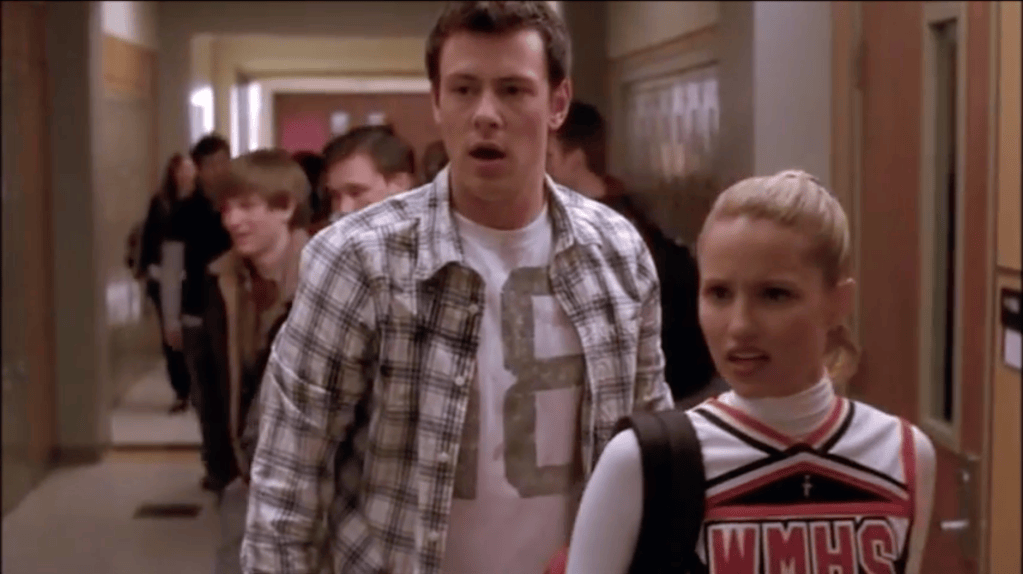
I chose this scene because the song “Flight of the Bumblebee” in the background makes something as simple as carrying a slushie through a school hallway feel like a dramatic mission. The scene follows the slushy being made and carried toward Finn, so we have time to anticipate what is about to happen. The fast music adds to that buildup and makes the whole situation feel exaggerated, which fits Glee’s humor.
What interests me is how the music changes the feeling of those shots. Without it, we would mostly be watching someone walk down a hallway with a slushy. With it, that walk becomes part of the suspense before Finn gets slushied. It reminds me that background music can do more than fill silence; it can give an ordinary action a completely different energy. For my podcast, I want to be just as intentional about the mood my music creates.
2. Stranger Things (Watch The Scene Here)
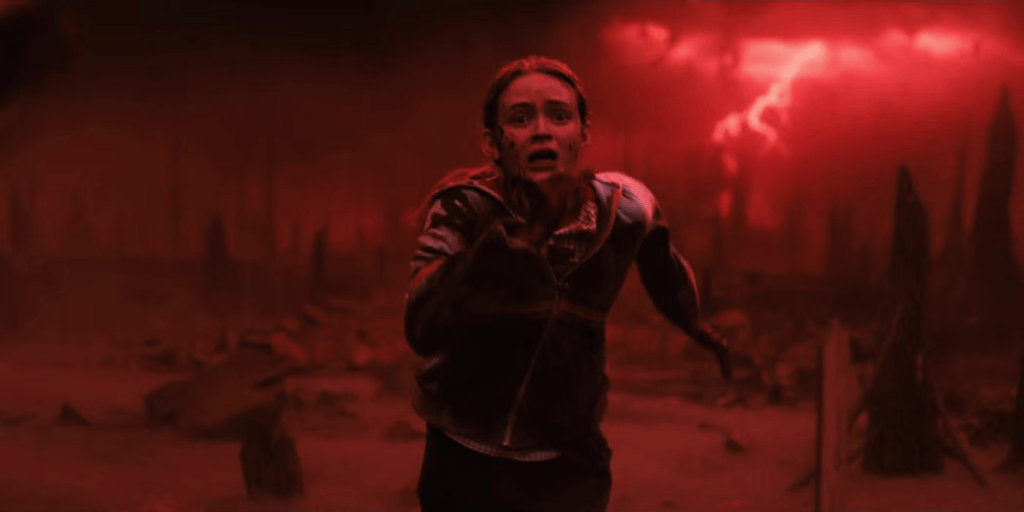
I chose this specific scene because Kate Bush’s “Running Up That Hill” is part of what makes Max’s escape so emotional. The song is actually part of the story, because her friends play it through her headphones to help reach her. As she remembers them and tries to escape, the music connects the danger she is facing with the people she wants to get back to. To me, that makes the scene feel hopeful and terrifying at the same time.
The other sounds help keep that danger present. Her friends shouting and Max’s heavy breathing add urgency alongside the song. The music gives the moment its emotional pull, while those sounds remind us that she is still fighting to escape. I think that balance is what makes the scene so effective. For my podcast, I want the music to support the emotion while still leaving room for my voice and the other sounds that establish the setting.
3. The Summer I Turned Pretty (Watch The Scene Here)
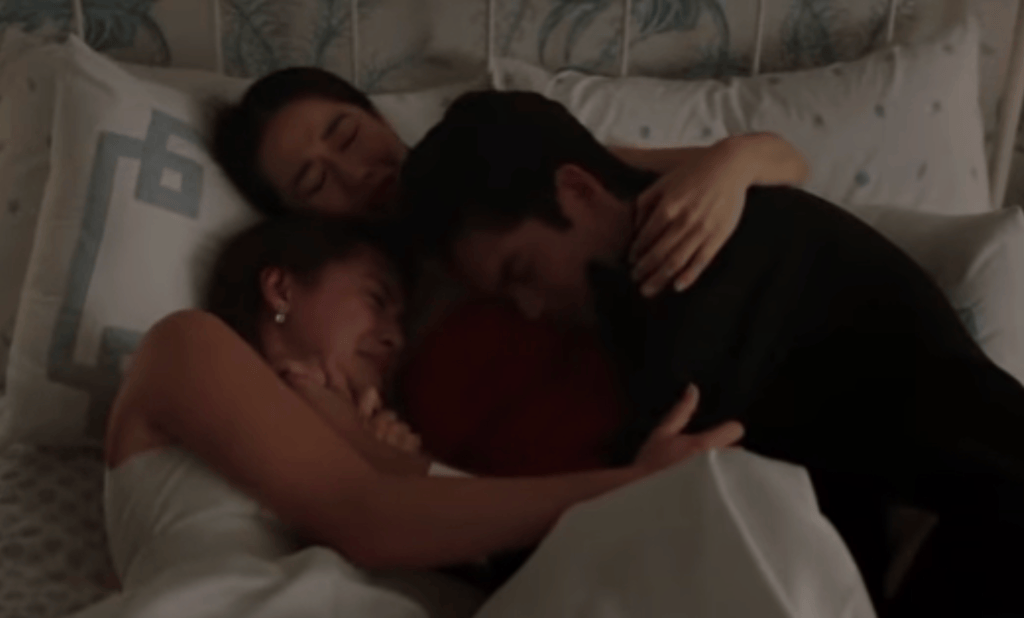
I chose this scene because “Funeral” by Phoebe Bridgers playing in the background adds to the sadness without needing to make the moment feel huge or dramatic. Belly is lying beside her mom, and her brother, Steven, eventually joins them. The closeness of the characters makes it feel personal, while the song brings in a sense of grief before they have even lost her. To me, that makes watching them hold onto each other even more heartbreaking.
Compared with the frantic music in Glee or Max’s escape in Stranger Things, this scene shows how music can support a slower moment. The characters are processing something painful, and the song gives the audience space to sit with that feeling. For my podcast, I want to remember that music does not always need to build excitement. It can also support a quiet reflection and give the words more emotional weight.
CREATE
For my podcast, I wanted to explore why I keep returning to books I have already read, especially my favorite, the Boys of Tommen series by Chloe Walsh. I already know what happens, but that does not make me any less attached to the characters. I wanted the episode to feel like a personal conversation about that experience and why a familiar story can still mean something different each time you read it.
Recording and editing made me notice details I probably would have overlooked as a listener. My breaths and background noise were more noticeable than I expected, and I realized how much an effect could change the recording. I used Adobe Audition to trim mistakes, adjust the music beneath my voice, and add fades. I also included room tone and recorded book sounds to connect the audio to the topic. I wanted those sounds to support what I was saying without becoming distracting.
I recorded my narration using my MacBook’s built-in microphone and edited the podcast in Adobe Audition. I exported the finished piece as a 192 kbps MP3.
Music credits and license information are included in the SoundCloud track description.
CITATIONS
Gaetani, F. (2014, June 27). 7 secrets for getting pro-sounding vocals on home recordings. Sonicbids. https://blog.sonicbids.com/7-secrets-of-getting-pro-sounding-vocals-on-home-recordings
Videomaker. (n.d.). Sound advice: Editing audio for video. https://www.videomaker.com/article/c4/8862-sound-advice-editing-audio-for-video


Leave a Reply