
The Coffee Experience
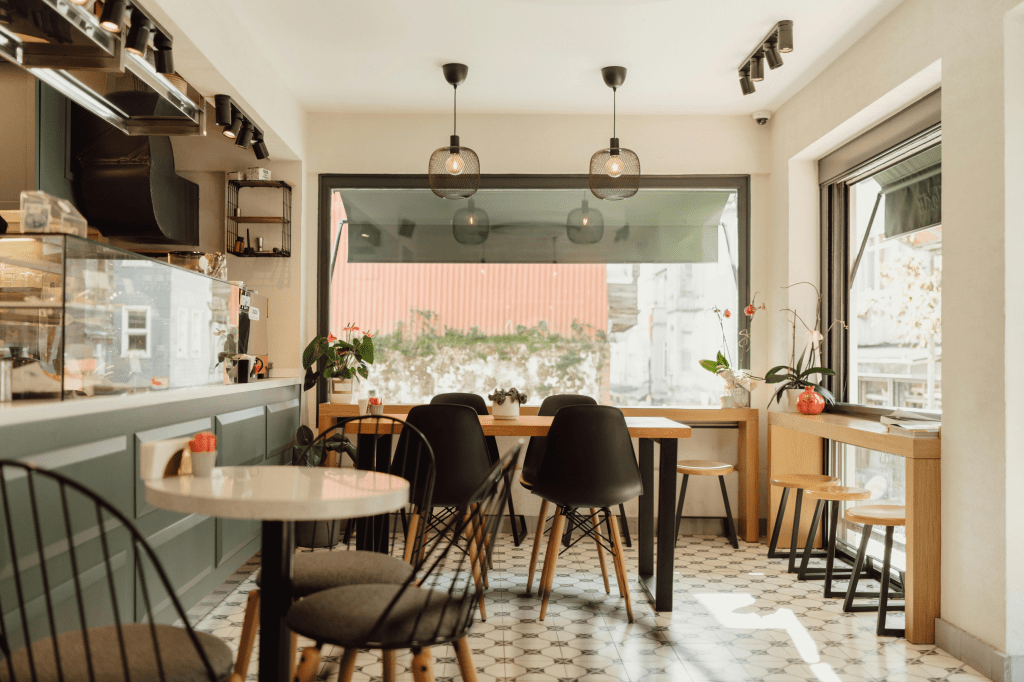
Take a second to think about the last time you bought coffee out somewhere. Was it just about getting the caffeine boost, or was it about how you felt walking into the cafe? Did you go in for the environments, the playlists, or the cute cups they serve them in? In today’s experience economy, where consumers crave the meaning of the environment over the actual product itself, the design is no longer just in the way it’s decorated, but it’s in the way you feel.
The experience economy, first explained by B. Joseph Pine II and James H. Gilmore, explains how businesses today compete by creating memorable experiences instead of just selling their products. This way, design plays a huge role in shaping those experiences simply by tapping into the customer’s emotion.
Emotions at the Center of Design
According to Robert Plutchik’s Wheel of Emotions, the eight core emotions are joy, trust, fear, surprise, sadness, disgust, anger, and anticipation. Designers often use this framework to think about how colors, shapes, and layouts can make people feel certain ways.
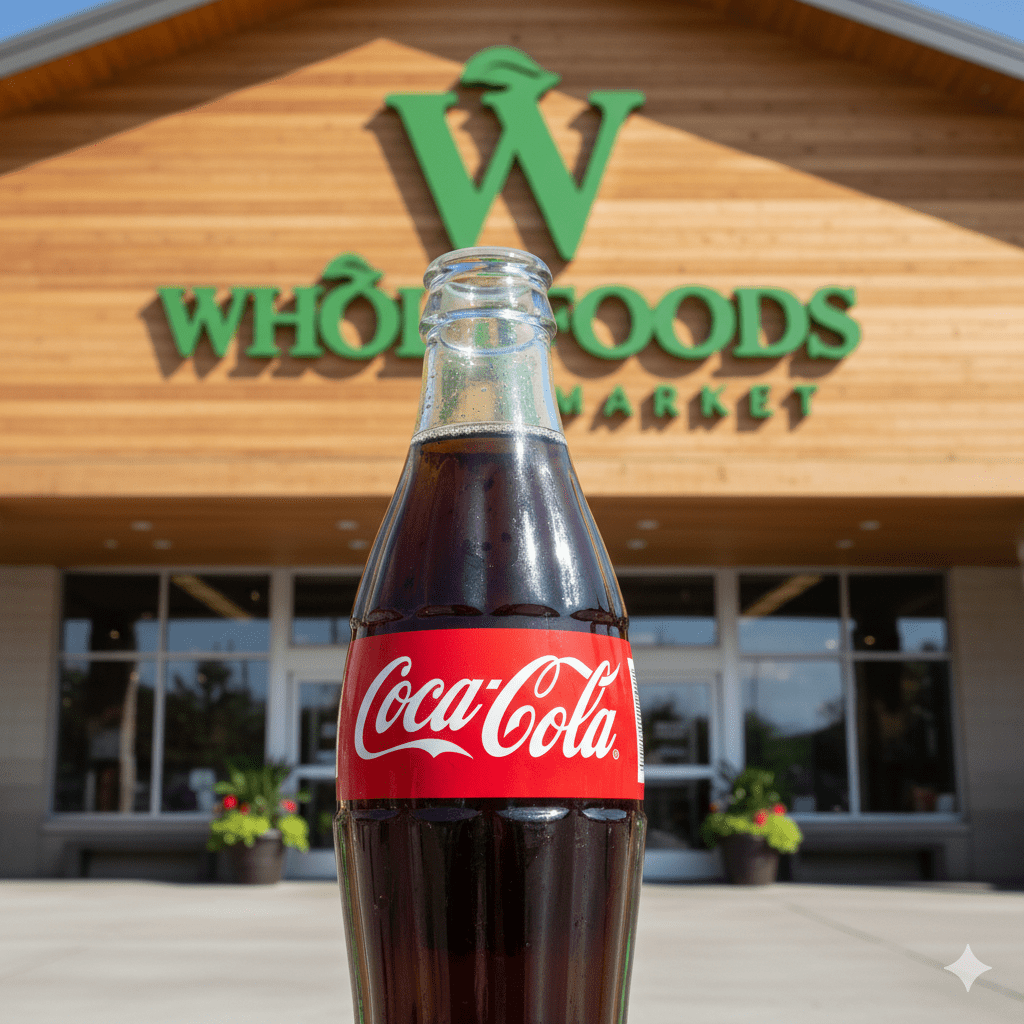
For example, Jerry Cao’s “Web Design Color Theory” explains that different colors affect our mood. A warm yellow on a website might make people feel cheerful and energetic, while a calm blue design can create feelings of trust and peace. Similarly, Céillie Clark-Keane’s “8 Ways to Use Color Psychology in Marketing” shows how brands use color to make emotional connections, like how red shows excitement (like Coke), or green to show calm and eco-friendliness (like Whole Foods).
Even typography carries many emotions in it. In the articles, “Fonts & Feelings” by Sophia Bernazzani and “The Psychology of Fonts” by Grace Fussell, both writers explain that fonts can change how we interpret a brand. A bold, modern font feels confident, while a soft, handwritten style feels personal and friendly. These choices might seem small, but they’re powerful emotional indications.
Design and Emotion Work Together
In their article “Designers and Users: Two Perspectives on Emotions and Design,” Donald Norman and Andrew Ortony explain that emotions connect designers and users together. Designers put intention and feeling into what they create, and users react emotionally when they experience it.
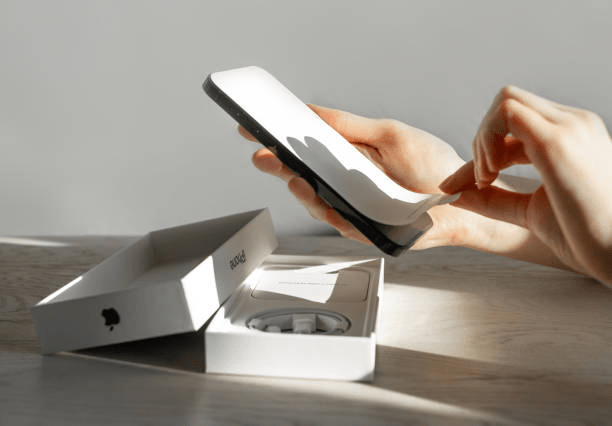
This is clear in how Apple designs its products. Opening an iPhone box feels luxurious and satisfying because everything is sleek, smooth, and simple. The design evokes pride and anticipation, not just function. Another example of this is how Starbucks designs its stores to feel cozy and social. The lighting, music, and even the cup design work together to make people feel welcome and comfortable.
These are examples of what Local Measure calls “mapping the emotional customer journey.” Every stage, from seeing an ad, to buying and using the product, can trigger emotions like excitement or comfort. When brands design with emotion in mind, they don’t just sell something, but they also build customer loyalty.
Designing for Real People
To design emotional experiences, creative teams first need to understand who they’re designing for. In the article, “Personas Make Users Memorable for Product Team Members,” Aurora Harley explains how personas help designers imagine real customers with names, goals, and feelings.
For example, a persona named “College Student Rebecca” might value convenience, speed, and affordability, while “Busy Parent Michael” might value calm and clarity. Knowing these emotional needs helps designers make better decisions like choosing colors to creating layouts that truly connect with people.
The Feeling That Lasts
In the experience economy, design is not just about appearance, but it’s also about emotion. Every color, font, and texture can tell a story. When a design makes people feel something strong, like joy, trust, or even belonging, they tend to remember it.
As Pine and Gilmore remind us, experiences are what people value most. Whether it’s the excitement of opening a new iPhone, the comfort of sitting in a Starbucks, or even the friendliness of a well-designed website, design turns simple moments into memories. In the end, emotion is what gives design its power, and also what keeps people coming back for more.
Citations
Cao, Jerry. “Web Design Color Theory: How To Create The Right Emotions With Color In Web Design.” TNW , 11 June 2018, thenextweb.com/news/how-to-create-the-right-emotions-with-color-in-web-design.
Clark-Keane, Céillie. “8 Ways To Use Color Psychology In Marketing (With Examples).” WordStream, 28 Apr. 2025, http://www.wordstream.com/blog/ws/2022/07/12/color-psychology-marketing.
Dykes, Taylor. “Personas Make Users Memorable.” Nielsen Norman Group, 3 Oct. 2025, http://www.nngroup.com/articles/persona/.
II, B. Joseph Pine, and James H. Gilmore. “Welcome to the Experience Economy.” Harvard Business Review, 1 July 1998, hbr.org/1998/07/welcome-to-the-experience-economy.
“Mapping the Emotional Customer Journey.” Local Measure, http://www.localmeasure.com/post/mapping-the-emotional-customer-journey. Accessed 9 Nov. 2025.
Norman, Donald, and Andrew Ortony. “Designers and Users: Two Perspectives on Emotion.” Projects Final, projectsfinal.interactionivrea.org/2004-2005/SYMPOSIUM%202005/communication%20material/DESIGNERS%20AND%20USERS_Norman.pdf. Accessed 9 Nov. 2025.
“Putting Some Emotion into Your Design – Plutchik’s Wheel of Emotions.” The Interaction Design Foundation, Interaction Design Foundation, 25 Sept. 2025, http://www.interaction-design.org/literature/article/putting-some-emotion-into-your-design-plutchik-s-wheel-of-emotions.
“The Hubspot Marketing Blog.” The HubSpot Marketing Blog, blog.hubspot.com/marketing. Accessed 9 Nov. 2025.
“The Psychology Of Fonts: How To Choose Fonts That Evoke Emotion.” Evato, elements.envato.com/learn/the-psychology-of-fonts-fonts-that-evoke-emotion. Accessed 9 Nov. 2025.

 Riley In Context
Leave a comment