
When people think about web design, they often focus on whether a website looks good or not. While appearance definitely matters, a successful website has to do much more than just be appealing to the eye. The website users form opinions about a website almost immediately, and then interact with its features to accomplish the specific goal they came for and ultimately leave with a lasting impression of both the experience and the brand behind it.
Don Norman’s approach to design helps explain why all of these things matter. Norman’s three levels of processing are visceral, behavioral and reflective. According to Andreas Komninos’ explanation of Norman’s theory, visceral processing focuses on a user’s immediate reaction to a design, behavioral processing focuses on the experience of actually using it and reflective processing involves the meaning and long-term impressions users develop afterward.
For this, I chose to look at the websites of Airbnb and Ticketmaster. These both show how these three levels can shape the user experience in completely different industries.
Visceral Processing
Visceral processing is all about the immediate reaction someone has when they first come across a design. Before the user clicks anything or begin searching for something, they have already started forming an opinion based on the way the website looks.
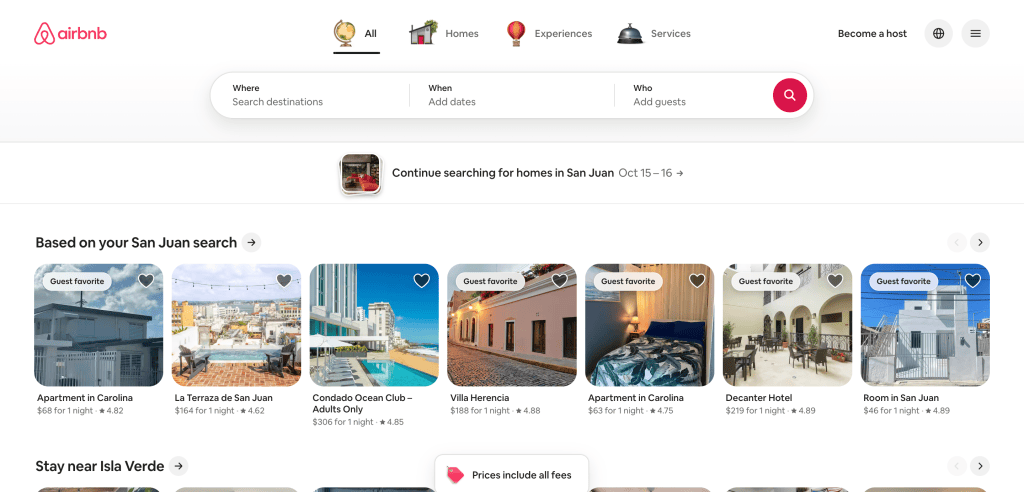
Airbnb immediately creates feelings of excitement, curiosity and possibility. There are large, high-quality pictures that encourage users to imagine themselves traveling to different places, while the clean layout makes the website feel modern and professional. The visual hierarchy directs attention toward searching for a destination, making the experience feel welcoming and connected to positive travel experiences.
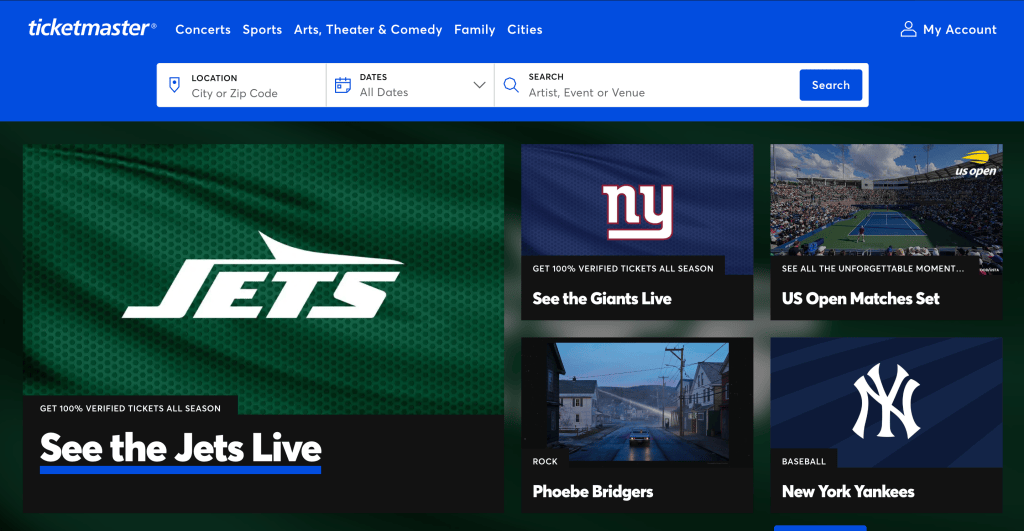
On the other hand, Ticketmaster creates a different type of emotional reaction to users. Instead of focusing on travel and exploration, the website features concerts, sporting events and other forms of live entertainment. Recognizable artists and event imagery can immediately create excitement and anticipation because users may already have an emotional connection to the event they are searching for.
This is where psychology becomes especially important in design. People don’t experience products and websites completely objectively. Their perceptions and emotions can influence how they interpret an experience and the value they place on it. Both Airbnb and Ticketmaster use this idea to create an emotional response before the user even begins interacting with their website.
Behavioral Processing
Just because a website is attractive to the eye, it does not mean the website is automatically a usable website. Behavioral processing focuses on what happens when users actually begin interacting with the design and trying to accomplish the goals that they logged on with.
This connects closely to the ideas discussed in Chapter 2 of The Design of Everyday Things by Don Norman. When people interact with a product, they form goals, take actions and evaluate whether those actions produced the results they expected. Good design should help users move through this process without unnecessary confusion.
Airbnb makes its main goal of finding a place to stay clear from the beginning. Users can search up a destination, choose their specific dates and select the number of guests through the search bar. Then, the filters allow users to narrow down their choices based on their specific needs, while property photos, prices, ratings and location information make listings easier to compare.
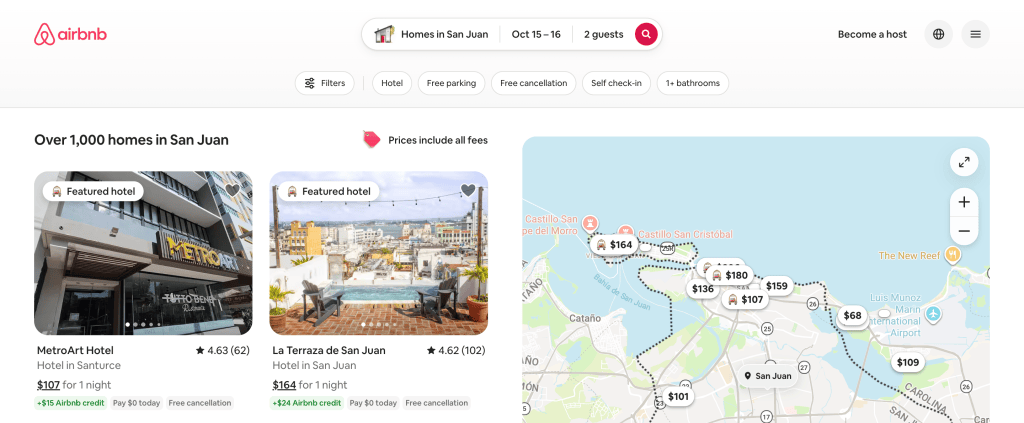
This also connects to the idea of mental models. As Megan Chan explained, users develop expectations about how systems should work based on previous experiences. Airbnb follows many familiar patterns that users already understand, such as search bars, filters and recognizable categories. Because these features match common expectations, users can more easily understand how to interact with the website.
Ticketmaster also uses familiar features to support the user. People can search for events by artist, location or date, while categories make browsing easier. Visual seating charts help users understand where tickets are located, and important information about venues and dates is clearly displayed.
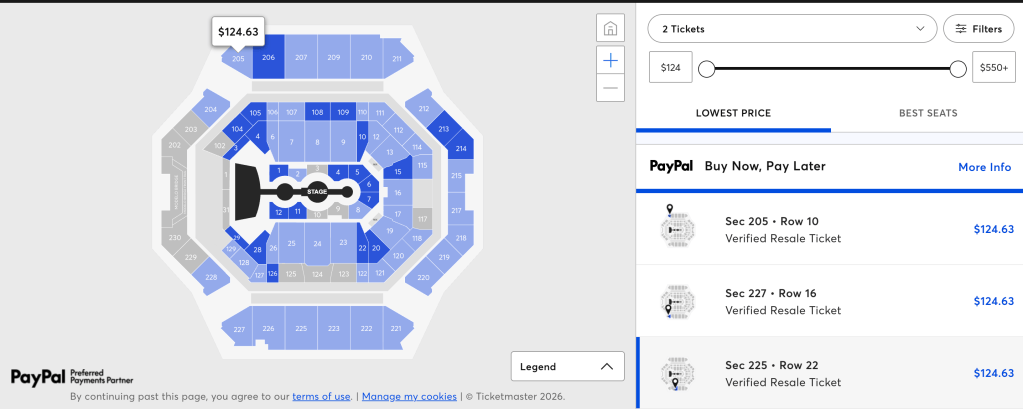
These features also demonstrate the importance of recognition over recall. Raluca Budiu explains that recognizing information is easier than recalling it from memory because users are given additional cues. Instead of expecting users to remember every available event or seating option, Ticketmaster presents information visually through event listings and seating charts. Similarly, Airbnb allows users to recognize and compare options through photos, ratings and filters.
However, Ticketmaster also demonstrates how behavioral processing can negatively affect the overall experience. The ticket-buying process can involve multiple steps, ticket availability may change during the process and additional costs can create frustration. During high-demand events, what should be an exciting experience can quickly become stressful.
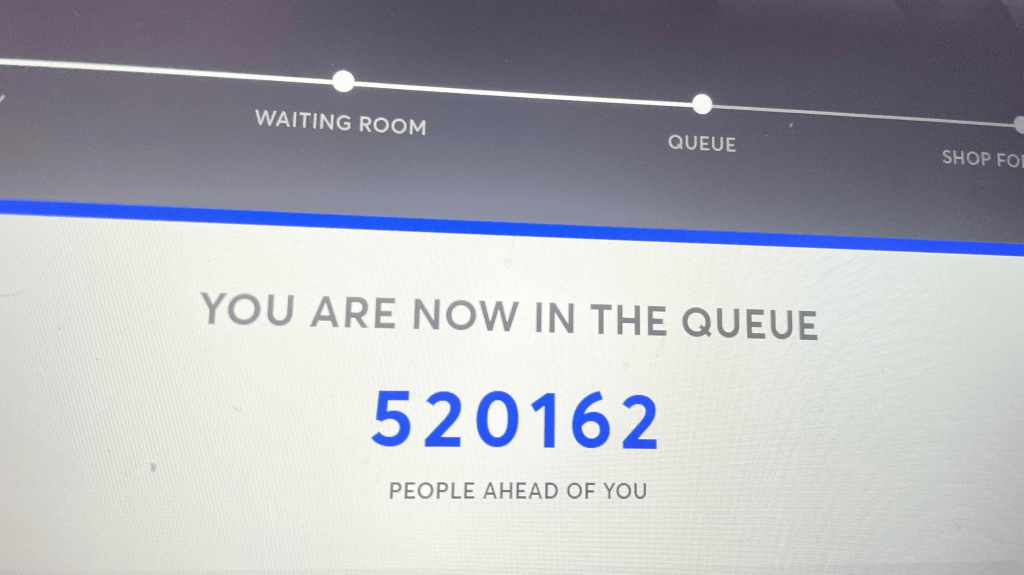
This shows that an exciting visual design can’tt completely make up for usability problems. If users struggle to accomplish their goals, their emotional reaction to the experience can change.
Reflective Processing
Reflective processing focuses on what happens beyond the immediate interaction. It involves the thoughts, memories and long-term impressions users develop about a brand.
Airbnb communicates that it is more than simply a website for booking accommodations. The brand connects travel with personal experiences, belonging and memories. Reviews and ratings help create trust between users and hosts, while the website encourages people to imagine future trips and experiences.
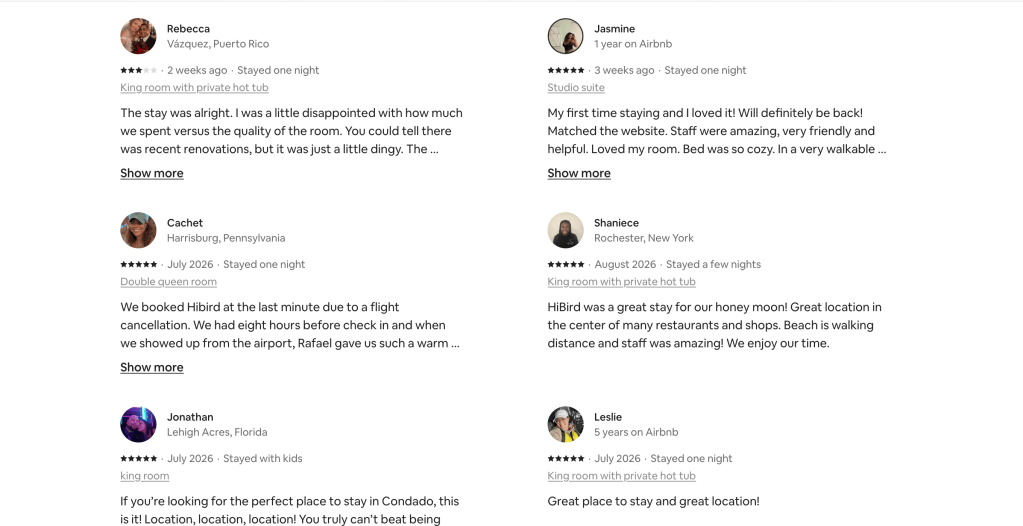
A positive experience with Airbnb may become connected to the actual memories users make while traveling. This gives the website meaning beyond its basic function. Someone may remember a specific Airbnb because it was part of a vacation, a family trip or another important experience, making them more likely to associate the brand with those positive memories and return in the future.
Ticketmaster is also strongly connected to memorable experiences. Successfully purchasing tickets can create positive associations because users connect the website with an exciting concert, sporting event or other experience that is still to come.

However, reflective processing can also be negatively affected by frustrating interactions. Even though someone may have enjoyed the concert they attended, they might still remember how stressful it was to actually purchase the tickets. This demonstrates how long-term impressions are influenced by both what users accomplish and how they feel while accomplishing it.
People may continue returning to Ticketmaster because it provides access to events they want to attend, but that does not necessarily mean they have a positive opinion of the experience itself.
Why All Three Levels Matter
Airbnb and Ticketmaster demonstrate that successful web design involves much more than just looks. Users first experience a website emotionally through visceral processing. They then evaluate how effectively the website helps them accomplish their goals through behavioral processing. Finally, they develop long-term opinions and associations through reflective processing.
Airbnb creates a relatively smooth connection between all three levels. Its visual design creates excitement about travel, its search and filtering tools help users find accommodations and the overall experience can become connected with meaningful memories.
Ticketmaster shows that the relationship between the three levels can be more complicated. The website successfully creates excitement and anticipation around live events, and it provides useful tools for finding tickets. However, frustrations during the purchasing process can negatively affect both the behavioral experience and a user’s long-term opinion of the brand.
Ultimately, good UX design requires designers to consider how a website looks, works and the impression that stays with users after they leave. A strong first impression may capture someone’s attention, but usability determines whether they can accomplish their goals. Reflective processing determines what they remember afterward.
The most successful websites understand that these three levels do not work separately. They work together to create the complete user experience.
Citations
Budiu, R. (2024, January 15). Memory, recognition and recall in user interfaces. Nielsen Norman Group. https://www.nngroup.com/articles/recognition-and-recall/
Chan, M. (2024, January 26). Mental models. Nielsen Norman Group. https://www.nngroup.com/articles/mental-models/
Komninos, A. (2020). Norman’s three levels of design. Interaction Design Foundation. https://ixdf.org/literature/article/norman-s-three-levels-of-design
Norman, D. A. (2013). The design of everyday things. Basic Books.
Sutherland, R. (2009, July). Life lessons from an ad man [Video]. TED Conferences. https://www.ted.com/talks/rory_sutherland_life_lessons_from_an_ad_man


Leave a Reply