When people think about creating a digital product, I feel like it is easy to immediately think of some huge, original idea. We might picture creating an app with tons of different features, a full online course, or a platform that solves every possible problem for its users. However, one of the biggest things I took away from this week’s Module is that a successful digital product does not necessarily have to start with a huge idea. Instead, it starts with finding a problem that is actually worth solving and turning that problem into a realistic concept.
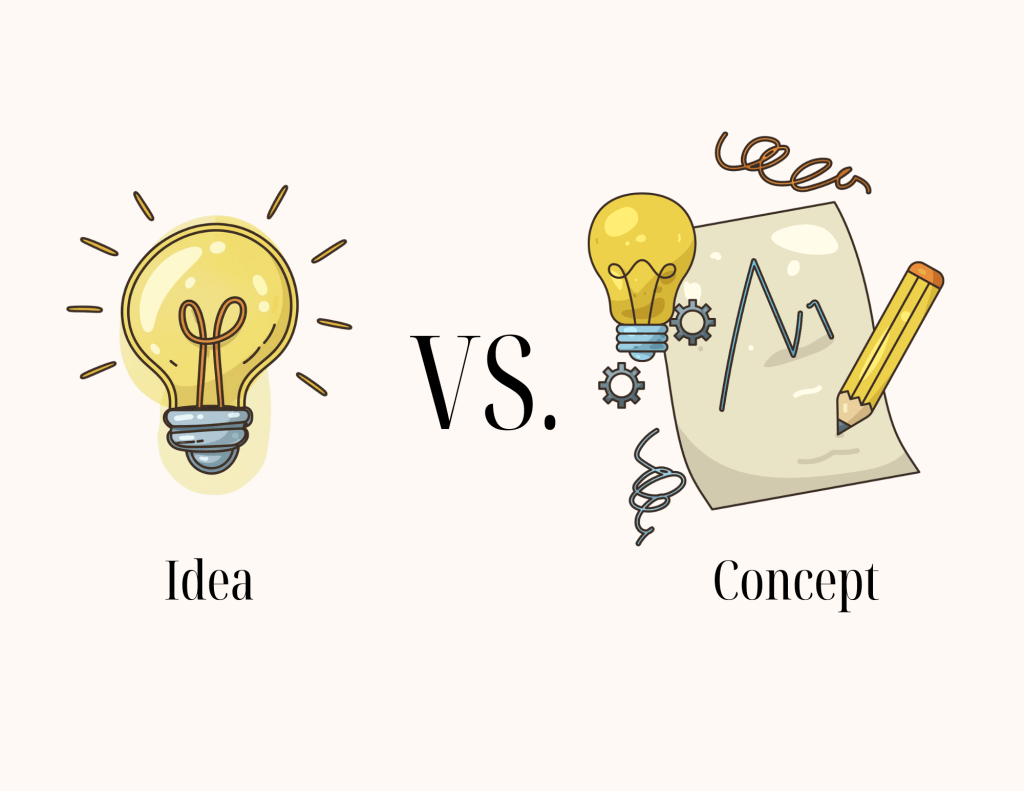
One of the ideas that stood out to me the most was the difference between an idea and a concept. The module describes ideas as wishes and concepts as plans. This seems like a pretty simple difference, but I think it is really important when thinking about creating a product. Almost anyone can come up with an idea. For example, someone could say, “I want to make an app that helps people be more productive.” That sounds like a good idea, but it is also a very broad idea. A concept takes that idea a step further by figuring out who the product is actually for, what problem they have, and how the product would help them.
This connects to another part of the module that I found interesting, which is what problems are worth solving. The module explains that problems can include things like efficiency problems, knowledge problems, organization problems, motivation problems, and access problems. This made me realize that there are potential product ideas everywhere because people deal with small frustrations all the time. Someone might feel like something takes too long, not know how to do something, have trouble staying organized, or struggle to stick with a goal.
I personally think looking for problems is a much better place to start than trying to force yourself to come up with the “next big idea.” When you start with an actual problem, you already have a purpose for your product. Instead of asking yourself, “What can I create?” you can ask, “What is something that people actually struggle with, and how could I make it easier?”
Another concept from the module that connects to this is MVP Thinking. MVP stands for minimum viable product, which basically means that the first version of a product should be the simplest version that solves the main problem. This stood out to me because I think it is really easy to assume that a product needs to be completely finished and have a ton of features before it can actually be useful.
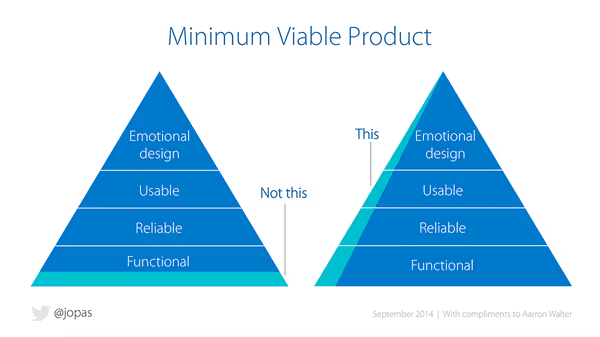
The example from the module makes this idea pretty clear. A large planning system with 12 different modules might sound impressive, but it could also be overwhelming and take a lot of time to create. A single habit tracker template, on the other hand, could solve one specific problem right away. It might not do everything, but it does not necessarily need to. If it solves the main problem well, then it is already useful.
I think this way of thinking is especially helpful for someone who wants to create a digital product because it makes the process seem much more realistic. Instead of trying to build something huge right away, you can focus on one problem and one solution. Once you know that the solution actually works, you can always add more features or expand the product later.
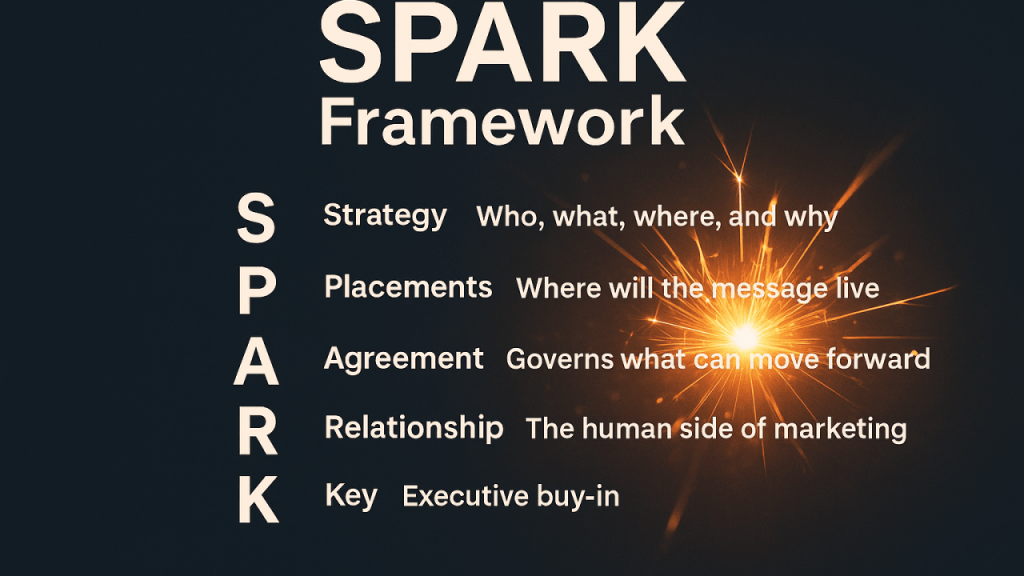
The Module 2 slides also introduce the SPARK Framework, which focuses on Skills, Problems, Assets, Reach, and Knowledge gaps. I think this is helpful because creating a product does not always mean starting completely from scratch. Sometimes the best product ideas can come from things you already know how to do, resources you already have, or problems that you have experienced yourself.
I also thought the section about knowledge gaps was interesting. The module explains that some knowledge gaps can be learned fairly quickly, while others could take months or become bigger obstacles. I think this is something that can easily be overlooked when coming up with an exciting product idea. You can have a really good idea, but that does not always mean it is realistic to create right away. Starting with something that connects to the skills and knowledge you already have can make it much easier to actually turn an idea into a real product.
Overall, my biggest takeaway from Module 2 is that creating a digital product does not have to start with some huge or groundbreaking idea. In fact, starting small might actually be the better approach. A strong product starts with understanding a real problem, turning that problem into a clear concept, and focusing on the simplest solution that can actually help someone.
I think it is really easy to get caught up in wanting to create something huge, innovative, and completely different from everything else. However, sometimes the most useful products are the ones that simply make someone’s life a little easier. By focusing on problems worth solving and using MVP thinking, creators can take an idea and turn it into something that has an actual purpose.
Sometimes, solving one simple problem really well is a much better place to start than trying to solve everything at once.


Leave a Reply