
When I first started thinking about what my digital product was going to be, I was mostly focused on what I wanted the final product to look like. I knew I wanted to create some sort of a digital reading journal that was aesthetic, organized and more personal than something like Goodreads. What I did not think about as much was how important the actual platform I chose would be. This week’s module made me realize that choosing the right tool is a huge part of turning an idea into something people can actually use.
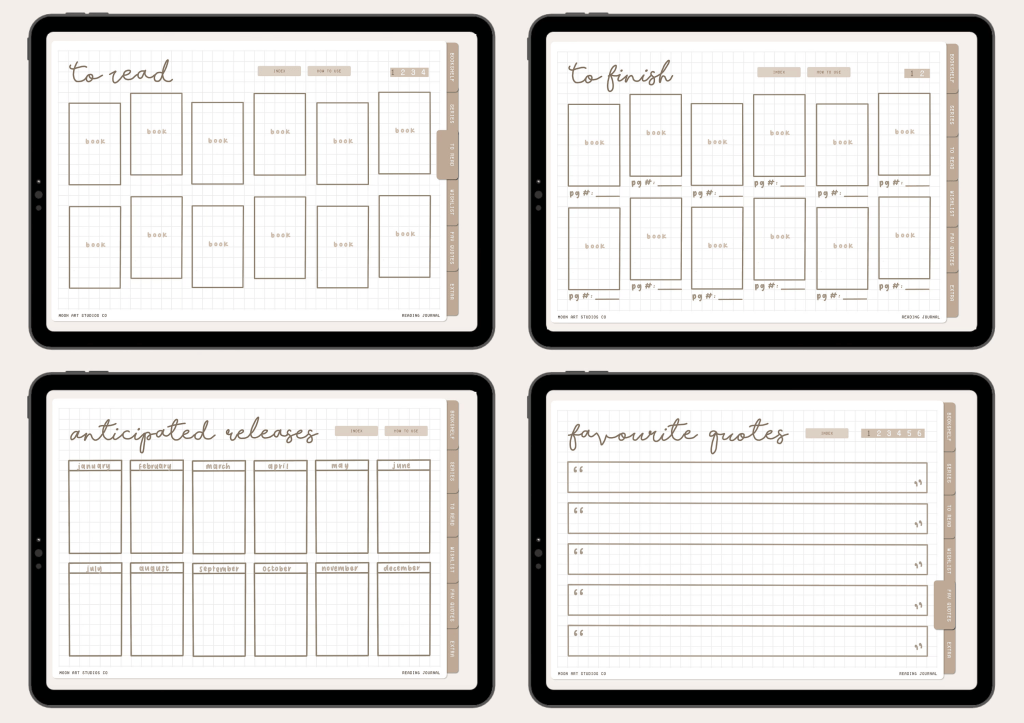
One concept from this Module that stood out to me was the Tool Selection Framework. Instead of choosing a platform just because it is popular or has a lot of features, the module suggests considering your product type, skill level, budget and platform compatibility. I think this is especially important because it can be really easy to assume that the most advanced tool is automatically the best one.
Why I Chose Notion
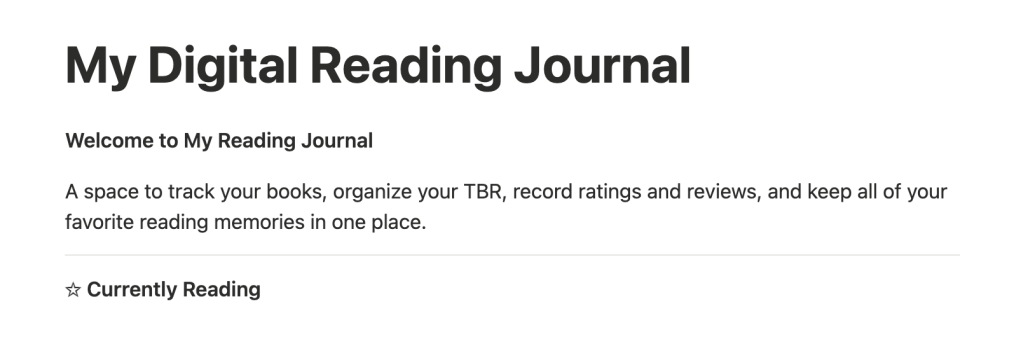
For my digital reading journal, I decided to use the platform Notion. The module describes Notion as a tool that can be used for dashboards, calendars and databases, which are all features that fit really well with what I want my product to do.
I want users to be able to keep track of the books they have read, what they are currently reading, their ratings, favorite quotes, reading goals and other information without everything feeling overwhelming. A database makes it possible to organize all of that information while still allowing the journal to feel customizable.
I also want the product to feel more like a digital scrapbook for readers than just a spreadsheet of books. Notion gives me room to experiment with layouts, images, covers and different pages while still keeping the functional side of the product organized.
More Features Doesn’t Always Mean Better
One of my biggest takeaways from this week’s module was the idea that you should master one tool before adding another and that workflow matters more than features. I think this is something I need to keep in mind while creating my product because I tend to get excited about all of the things I could add.
It would be easy for me to start adding complicated databases, tons of pages and features that sound cool but might not actually make the reading journal better. Since I am still learning everything Notion can do, starting with the most important features will allow me to create something that actually works before worrying about making it more advanced.
This also connects back to the idea of creating an MVP that we discussed earlier in the course. My first version does not need to include every possible feature. It needs to solve the main problem first: giving readers an easy and enjoyable place to track and remember their reading.
Learning as I Build
Another thing I liked about this week’s module was that it acknowledged that you do not have to already be an expert in the tool you choose. There are resources available to learn as you create. For Notion specifically, the module recommends resources like Notion VIP and Thomas Frank, along with other learning platforms.
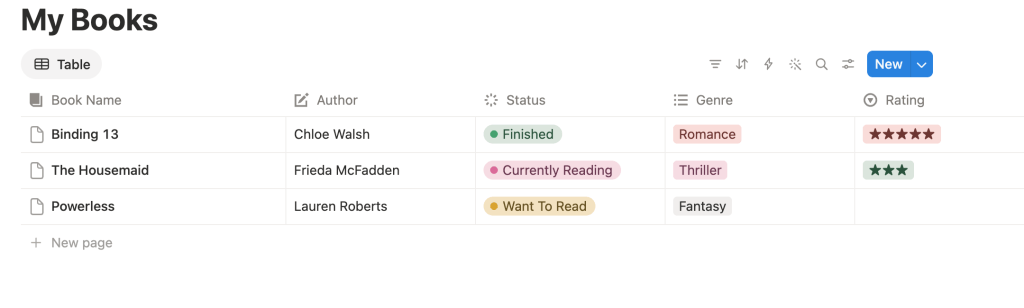
This makes the process feel a lot more realistic to me. I am still learning how properties, databases and different views work in Notion, but I do not necessarily need to know everything before I start. I can learn the features I actually need as I build the journal.
Starting Simple
The biggest thing I am taking away from this module is that the tool itself is not what makes a digital product good. One of the final slides says, “Tools don’t create great products – you do.” I think that is an important reminder, especially when there are so many platforms and features available.
For my reading journal, my goal now is to focus less on making the first version perfect and more on creating a strong foundation in Notion. Once I have the main reading tracker, book pages and other essential features working, I can continue improving the design and adding features based on feedback. Choosing the right tool is important, but knowing how and why you are using it matters even more.

 Riley In Context
Leave a comment